
sivicultura

What is Forestry?

Forestry is the science and practice of cultivating and managing forest stands. The term “silviculture” comes from the Latin words silva (forest) and cultura (cultivation). The goal is to understand and ensure the long-term productivity, health and resilience of forest ecosystems (stands), while meeting the diverse needs and values ​​of society. The practice of forestry […]
Read more

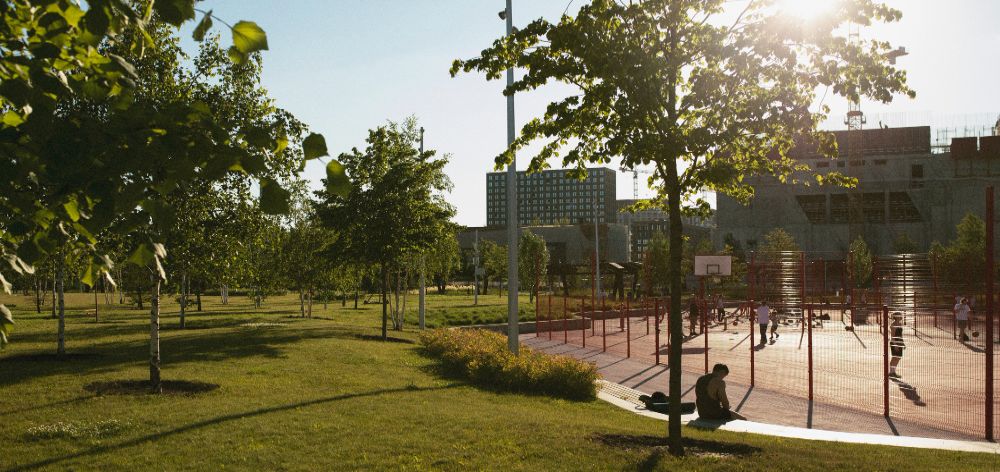
Urban life: Why are green spaces important?

By 2050, 68% of the world’s population will be living in cities, 2.5 billion more people than today. In Europe, three out of four people already live in urban areas and the consequences of this are becoming increasingly evident. Researchers estimate that nine million people die each year as a direct result of air pollution. […]

Read more

Top 5 benefits of green building

What Is Green Building? Buildings and their users have an environmental impact throughout their entire life cycle—from construction through operation and demolition. They deplete natural resources, consume energy and water, and generate waste. A green building is one that reduces or eliminates the negative impacts buildings can have on the environment and can even create […]

Read more

What is Forest Conservation and why is it so Important?

Forest conservation focuses on the preservation, management and restoration of forests to ensure their health and ecological functions. It brings together knowledge from ecology, forestry, environmental sciences and social sciences to address the challenges facing forests. What are the main characteristics of forest conservation? What are the sub-areas in forest conservation? What are the key […]

Read more

10 Things you can do to save forests

Forests Are the Lungs of the Earth: they are essential for environmental stability and for human health and happiness. These magnificent, ancient ecosystems are home to 50 percent of all the world’s land species. Yet, especially in tropical regions, forests are under siege. The forests of our planet are being destroyed at an alarming rate—driven […]

Read more

What is Corporate Sustainability?

In today’s business world, environmental concerns, social responsibility, and economic resilience play a central role in shaping corporate culture. According to research from the U.S. Environmental Protection Agency (EPA), around 80% of Fortune 500 and S&P 500 companies now publish a corporate social responsibility (CSR) report. Prioritizing sustainability not only upholds the integrity of corporate […]

Read more

The sustainability of AI

While AI promises unprecedented efficiency, productivity and innovation, big questions arise about its environmental impact. How can AI development be sustained in a context of environmental responsibility? At its core, AI relies on enormous computational power to process and analyze data, drive machine learning algorithms, and power intelligent decision-making processes. This insatiable demand for computational […]

Read more

UNICEF Supply Scope 3: Greenhouse Gas Emissions Baseline

UNICEF’s Scope 3 Supply Emissions – Greenhouse Gas Baseline Report reflects our strong commitment to transparency and the climate agenda. It highlights our commitment with our supply chain partners, as outlined in our Climate and Sustainability Action Plan. This includes reducing supply chain and operational emissions while contributing to national social services’ adaptation and resilience […]

Read more

What is sustainability? Benefits and examples

What is sustainability? In its broadest sense, sustainability refers to the ability to maintain or support a process continuously over time. In business and policy contexts, sustainability seeks to avoid the depletion of natural or physical resources so that they remain available long-term. How sustainability works Sustainable policies focus on the future impact of any […]

Read more